- Published on
- Reading time
- 8 min read
Building a Travel App - From Inspiration to Implementation
- Authors
- Name
- Anderson Eleutério
- Github
- @Anderson-Andre-P


Introduction
Traveling is much more than moving from one place to another: it's an enriching experience, an adventure that shapes who we are. Over the last decade, the travel market has been transformed by digital platforms that made planning and taking trips more practical and accessible. Inspired by this, I decided to build an app that makes the journey easier for travelers and digital nomads. This post documents the development process, from the initial idea to the practical side of implementation.
The inspiration: how Pieter Levels and Nomad List changed the game
Pieter Levels is a name that stands out among digital nomads and tech professionals. The Dutch entrepreneur built a series of minimalist projects that went from simple ideas to highly impactful platforms. One of his best-known projects is Nomad List, a platform that ranks cities around the world based on criteria that matter to digital nomads, such as cost of living, safety, internet quality and other factors.
Levels took a lean approach to building Nomad List: he started small, listened to his audience and iterated quickly to improve the platform. This model, focused on building fast and validating continuously, inspired me to build an app that could help travelers from all over the world. My goal? Simplify travel decisions, create meaningful connections between travelers and provide relevant information in an intuitive way.
What stands out in Nomad List
- Simplicity: Nomad List gets straight to the point, with a simple interface and a clear purpose.
- Community: Levels turned users into an engaged community that shares and creates information.
- Relevant data: the focus on useful data and rankings gives each traveler a personalized experience.
My goal was to adapt these ideas to my own app, offering a unique experience based on shared values.
Building my business plan
To turn an idea into a viable product, a solid business plan is crucial. This stage not only defined the project's scope, it also made sure it met a real need in the market. Here are the main points I covered:
1. Market analysis
I studied the travel and tourism market to find gaps a new app could fill. Among the insights:
- Growth of digital nomadism: with the rise of remote work, more people are exploring destinations for longer periods.
- Need for connection: many travelers want a platform that connects them with other travelers with similar interests.
- Lack of contextual information: the information available is often not specific or personalized for different kinds of travelers.
2. Value proposition
The app offers a personalized experience for travelers who want to explore new destinations easily. Our value proposition is:
"Help travelers make informed decisions, connect with other people and create unforgettable memories, with as little hassle as possible."
3. Monetization strategy
I considered several monetization strategies for the app:
- Premium subscriptions: offer extra features, such as exclusive information, personalized support and discounts.
- Non-intrusive ads: show ads that match users' interests without hurting the experience.
- Partnerships with local businesses: collaborate with travel agencies and service providers.
Use cases, functional and non-functional requirements
To be effective, an app needs to solve real problems users face. I wrote a series of use cases to guide development:
Example use cases
Registering a trip
- Description: the user can register a trip, including information such as destination, dates, budget and planned activities.
- Goal: let users keep track of their trips and organize relevant information in one place.
- Scenario: a user decides to travel to Bali and creates a new trip with the departure and return dates, planned activities and maximum budget.
Personalized destination search
- Description: the user can search for destinations based on criteria such as climate, cost of living and distance.
- Goal: help users find the destinations that best match their preferences.
- Scenario: a user wants to travel somewhere warm and affordable, and uses search filters to get a list of suggestions.
Connecting with other travelers
- Description: users can see and interact with other travelers who plan to go to the same destinations or share similar interests.
- Goal: foster connections and communities between travelers.
- Scenario: a traveler wants company for a hike in Portugal and interacts with other people interested in it.
Tracking trip expenses
- Description: the user can record and track every expense related to a specific trip, categorized as food, transport, lodging, activities and others.
- Goal: give users control over the cost of the trip, helping them stay within the planned budget.
- Scenario: during a trip to Paris, a user records their expenses every day, including meals, transport and museum tickets. The app generates a summary of daily expenses and an overview of the total spent, compared with the initial budget. The user can see charts and reports to understand where they are spending the most and adjust their plans.
Functional and non-functional requirements
Functional requirements:
- User registration and secure authentication.
- An intuitive interface to search for destinations and register trips.
- Personalized recommendations based on filters set by the user.
- Integration with external APIs for up-to-date information (such as weather and exchange rates).
Non-functional requirements:
- High availability and performance even with heavy traffic.
- Data security and compliance with privacy regulations.
- Responsive design for mobile devices.
The MVP
The concept of a Minimum Viable Product (MVP) is fundamental to validating an idea in the market, especially for an app. Instead of spending months (or years) building a fully finished product, an MVP lets you ship the most basic version possible with the essential features, to validate the idea with real users. The MVP for my travel app aims to solve the main problems travelers face, focusing on the features that deliver value right away.
MVP features
The MVP will include the following features:
- User sign-up and login
- Secure authentication with email and password.
- Personalized destination search
- Search filters based on personal preferences, such as climate and cost of living.
- Trip registration
- Registering and viewing trips, with information such as destination, dates, budget and activities.
- Expense tracking
- Expense control with categories and summary reports.
- Itinerary planning
- Creating an itinerary with automatic suggestions and reminders for scheduled activities.
- Connecting with other travelers
- Basic features to see and interact with other travelers who share interests or destinations.
MVP goal
The goal is to ship a product that quickly validates the concept, testing market acceptance, the usability of the interface and how well the features meet users' needs. The MVP will be released to a small group of users to get continuous feedback and make improvements before a wider launch.
Technologies
For this travel app, it was essential to choose technologies that offer flexibility, scalability and a smooth experience for the end user. The choice of tools and frameworks was guided by the need to deliver a robust product in a short time.
Flutter
Flutter is an open-source framework developed by Google for building mobile, web and desktop apps from a single codebase. I chose Flutter for several benefits:
- Fast development: with features like Hot Reload, Flutter makes it quick to iterate and test changes, speeding up the development cycle.
- Modern, responsive interfaces: Flutter makes it possible to build sophisticated, responsive interfaces that work well on different devices, with a consistent, attractive design.
- Native performance: Flutter apps are compiled to native code, giving users a smooth, high-performance experience.
- Vibrant community: the active community offers many packages and solutions, making it easier to add advanced features.
Firebase
Firebase is a Google platform that offers a range of services to speed up app development. I used Firebase for several of the app's features:
- Authentication: Firebase Authentication offers a simple, secure way to authenticate users by email, password or third-party services.
- Firestore (real-time database): I used Cloud Firestore to store users' trips, expenses and itineraries in a scalable, real-time way.
- Analytics: Firebase Analytics tracks user behavior, giving insights into how the app is used and helping improve the experience.
- Notifications: with Firebase Cloud Messaging, the app can notify users about trip updates, itinerary reminders and more.
Bringing them together
Combining Flutter and Firebase gave the travel app a solid foundation. Flutter delivers the end-user experience with a high-quality, responsive interface, while Firebase simplifies the backend services, reducing the time needed to build a scalable, secure product. With this foundation, I'm confident the MVP will give travelers a unique experience, while allowing new features to be added as user feedback and new needs come in.
Implementation and prototypes
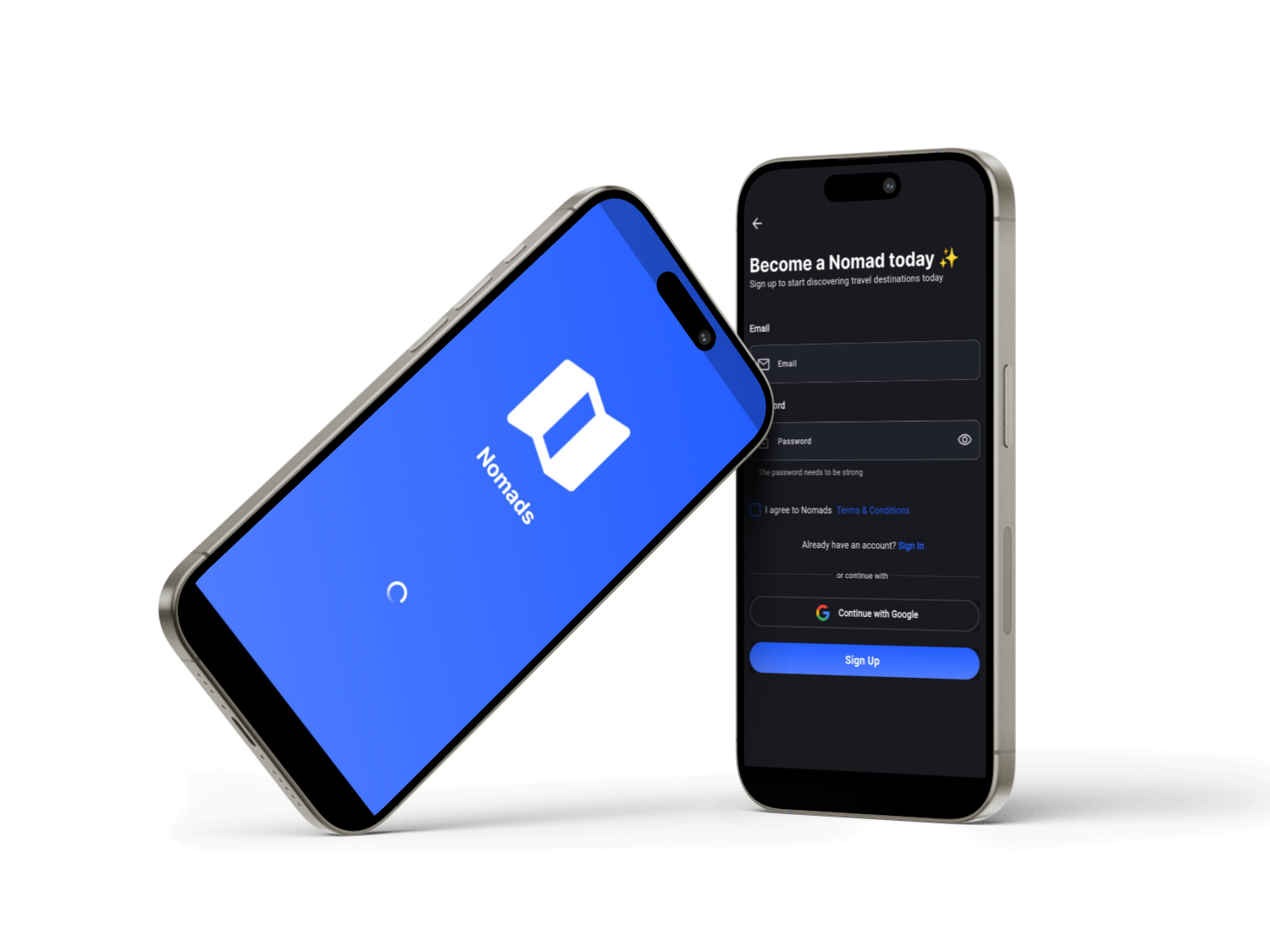
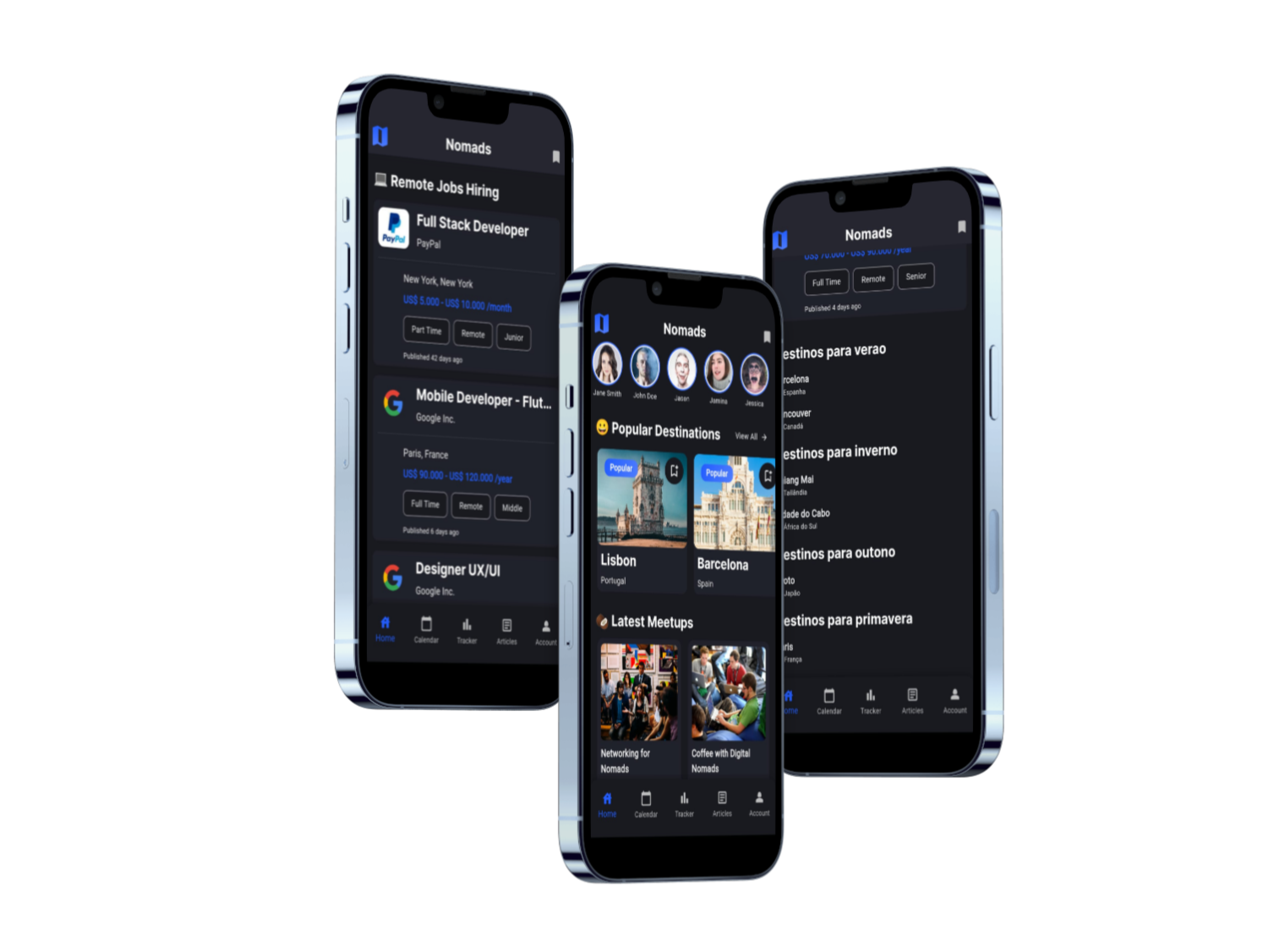
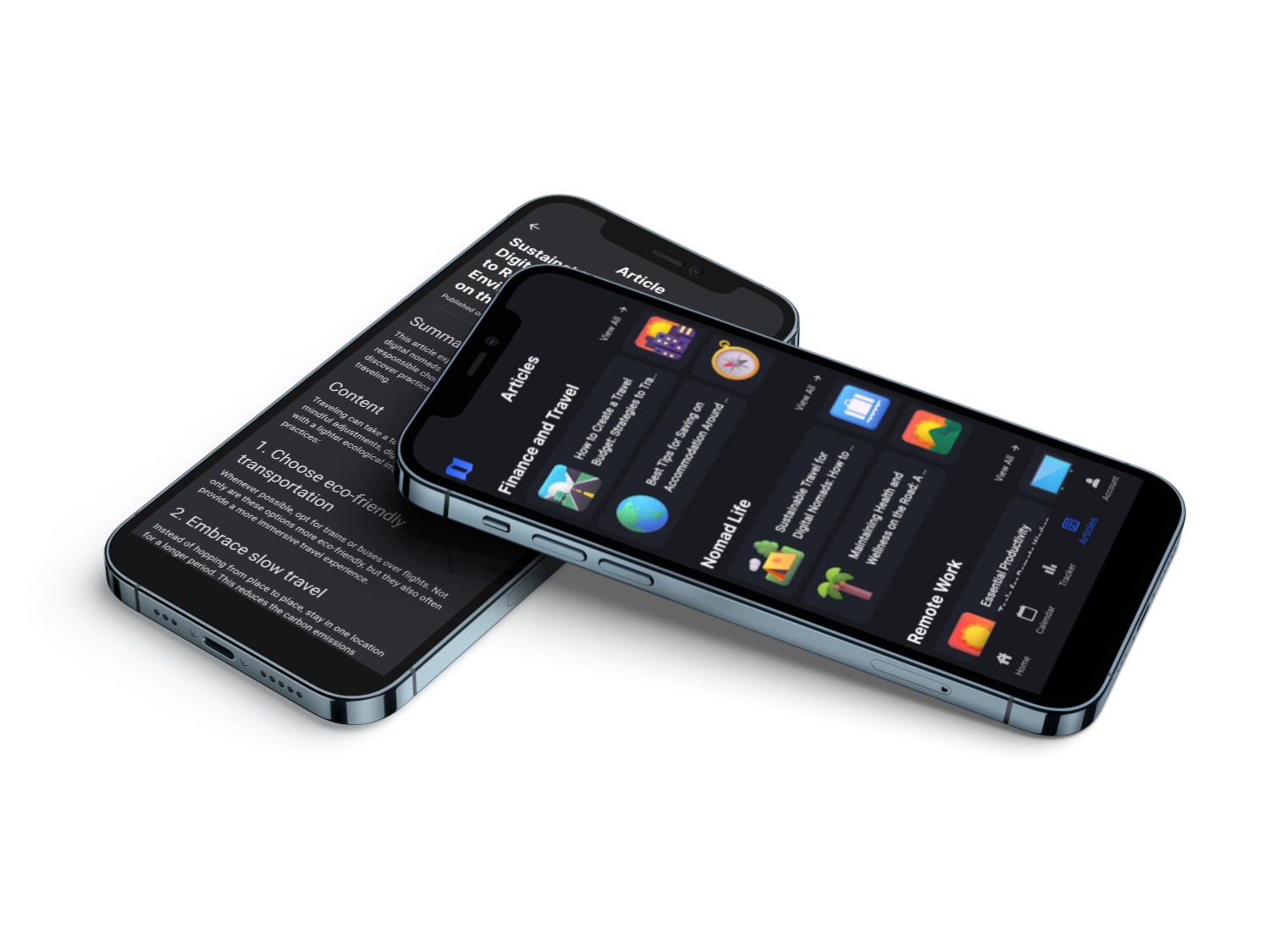
During development, I worked on turning the specifications above into a working interface. Using Flutter, I built a series of prototypes to validate the usability of the main features. User feedback was incorporated in each iteration to make sure the final product was intuitive and met their expectations.
Conclusion and final thoughts
Building this travel app has been a challenging and rewarding process. From the initial inspiration to implementing the features, I learned a lot about the importance of listening to the market, iterating based on user feedback and delivering a high-quality experience. Although the project is still in its early stages, I'm excited about its potential to change the travel experience for thousands of people.