Vibraguard
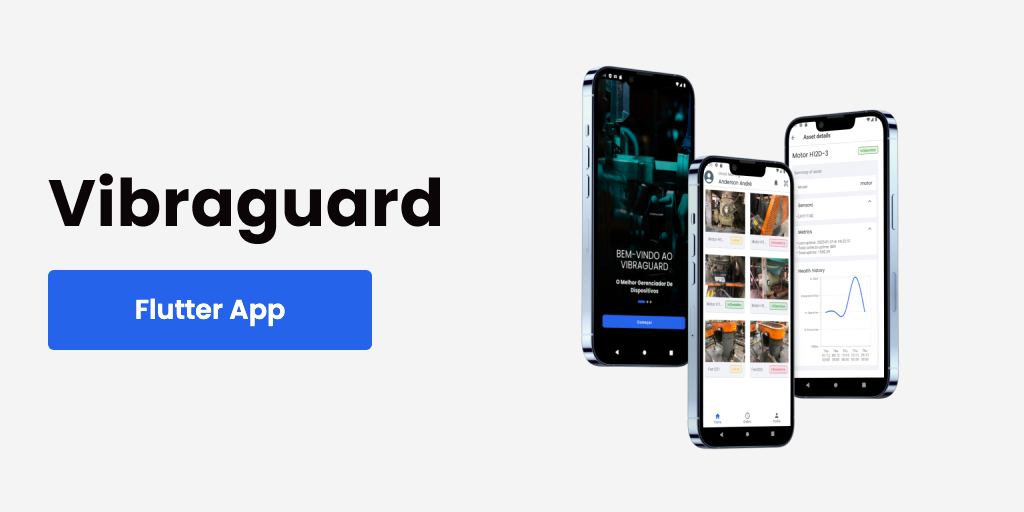
Asset and work order management for maintenance teams. Link devices by QR code, monitor their status and track maintenance work in one app.
I build Flutter apps for logistics and industrial IoT, and I care about what happens after they ship: how they're used in the field, where they break, and how they can make an operation run better.
Open to remote international roles.
My day-to-day work is on seven B2B apps at DDMX. These are projects I built on my own and as technical challenges, from asset management for maintenance teams to real estate search, each one end to end with Flutter. Open one to read how it was built.
Asset and work order management for maintenance teams. Link devices by QR code, monitor their status and track maintenance work in one app.
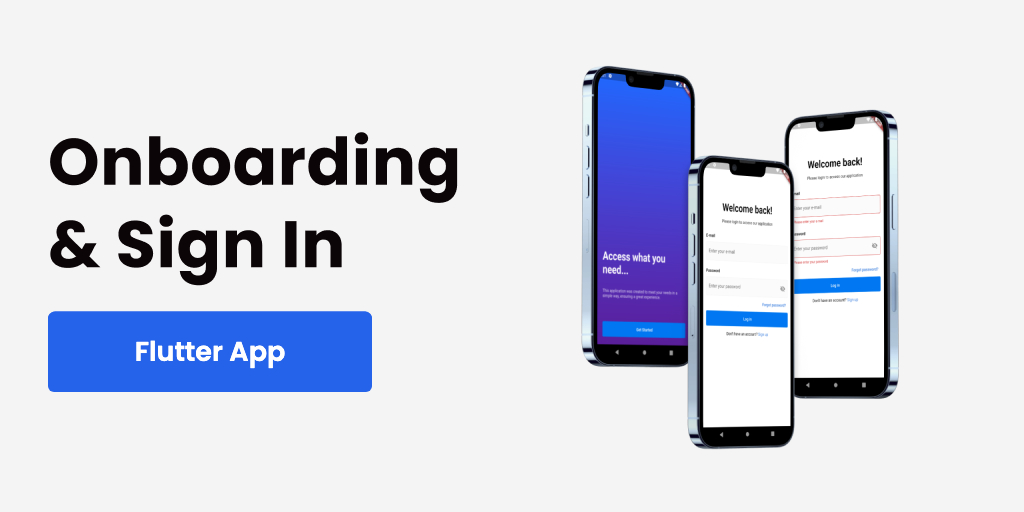
An onboarding flow followed by a sign-in screen, with email and password validation and clear error messages.
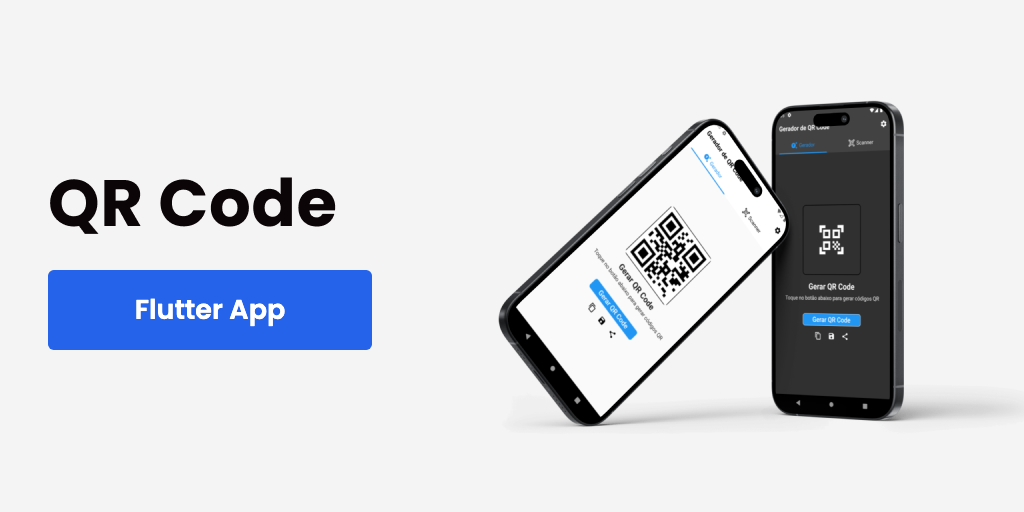
Reads QR codes with the camera and creates custom ones for links, contacts, locations and Wi-Fi, ready to share or save.
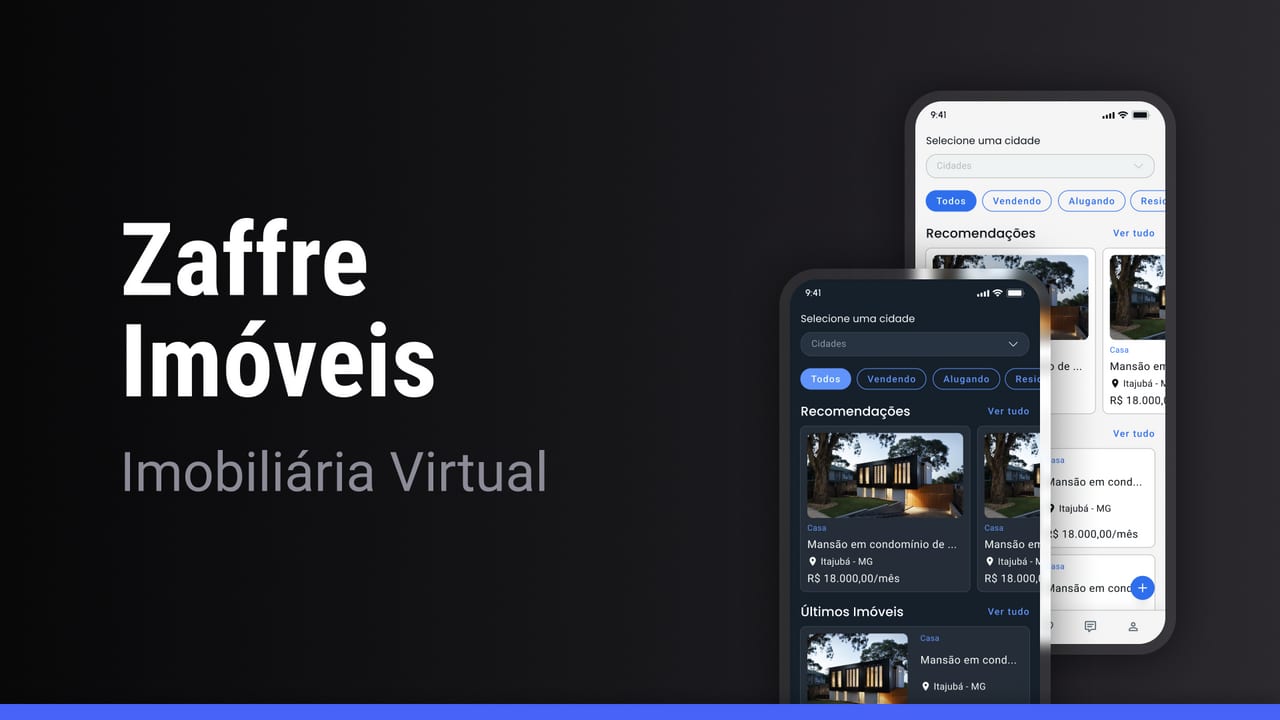
A real estate app to search properties with filters, publish listings, save favorites and receive push notifications.
I actively participated in the design of product interfaces seeking to provide a good user experience for customers of the product developed by applying design thinking techniques during the process of creating a virtual store for a company specialized in selling Apple cell phones.
In another project, I implemented features using programming logic with the Dart programming language in a project that used Flutter to create high-quality applications for Android, iOS and the Web.
In these two projects I was able to develop my communication and writing skills in addition to gaining experience in teamwork in creating software using the agile Scrum methodology.
I participated in the development of web applications with Angular.
Most of my work has been in logistics and industrial IoT: real-time features with WebSockets, native Kotlin and Swift SDKs integrated into Flutter, and legacy Android code modernized with Clean Architecture and BLoC.
7 min read
This guide explains the BLoC pattern and Clean Architecture concepts and how to apply them in Flutter projects.
3 min read
In a legacy Java mobile app, I implemented an offline-first observability pipeline that persists user-action logs locally using a DAO-backed queue and syncs them to an API only when the device is online. Logs survive restarts, are shipped in batches of 50 every 3 minutes to reduce network and battery impact, and work as a “user action stacktrace” to reconstruct flows leading to bugs. Combined with Sentry, this creates a powerful two-layer system: exceptions plus a step-by-step history of what the user did right before the issue.
2 min read
A mid-level developer stands out by being autonomous, reliable, and committed to continuous growth. Unlike juniors, they handle more complex tasks, mentor less experienced teammates, and take ownership of product quality and stability. To grow, they must constantly challenge themselves, close technical gaps, and develop soft skills like communication, trade-off analysis, and collaboration. The key is never staying in the comfort zone—consistency, responsibility, and ongoing learning are what truly define the best mid-level developers.